 mathgames.com.es
Virtual Games

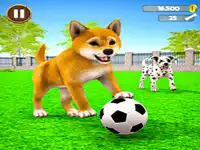











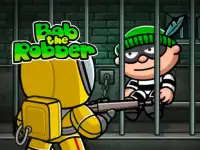












Virtual games operate within digital frameworks that simulate interactive systems and player agency. These environments prioritize logical rule sets and measurable outcomes over narrative elements for consistent performance analysis. The genre demands precise input execution and strategic resource allocation within simulated environments for optimal virtual games mastery. About virtual games Efficiently execute precise inputs to navigate simulated environments while managing resources and avoiding obstacles within a structured rule set; success depends…Learn moreLatest update
Virtual games operate within digital frameworks that simulate interactive systems and player agency. These environments prioritize logical rule sets and measurable outcomes over narrative elements for consistent performance analysis. The genre demands precise input execution and strategic resource allocation within simulated environments for optimal virtual games mastery.
About virtual games
Efficiently execute precise inputs to navigate simulated environments while managing resources and avoiding obstacles within a structured rule set; success depends on consistent reaction times and accurate decision-making processes. Mastering these virtual games requires analyzing system feedback and adapting strategies to maintain performance under variable conditions.
Gameplay Mechanics
Core mechanics involve real-time input processing where player actions directly influence simulated physics and object states. Resource management systems govern energy or ammunition levels requiring careful allocation during active sessions. Virtual games often feature obstacle avoidance patterns that test reflexes and predictive movement capabilities. Progression is measured through score accumulation and survival duration within increasingly complex algorithmic scenarios.
Tips & Strategies
Maintain focus on input precision and resource conservation to maximize session longevity and score potential. Analyze obstacle patterns and environmental cues to anticipate changes and adjust movement vectors accordingly. Consistent practice with virtual games builds the muscle memory needed for efficient reaction times during high-pressure segments.
virtual Games FAQs
Q: What control schemes are typically used? A: Standard schemes involve directional inputs and action buttons for precise movement and interaction.
Q: What is the main objective? A: The primary goal is to achieve high scores or survive as long as possible.
Q: Are these games compatible with mobile and tablet devices? A: Most virtual games support touch interfaces and adaptive screen layouts for mobile play.
Q: What is the core gameplay mechanic? A: The central mechanic involves real-time input processing and obstacle avoidance within a rule-based system.