Simple Games
























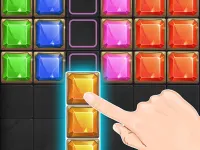




```html Simple games prioritize accessibility through minimalist design and straightforward objectives. They often feature intuitive controls and rapid feedback loops. Players typically focus on achieving goals efficiently without excessive complexity. About simple games Control schemes in games are usually optimized for quick learning and responsive execution; maintain momentum to maximize effectiveness. Overall design favors clarity over depth with minimal barriers to entry. Gameplay Mechanics Players navigate environments while avoiding obstacles to…Learn moreLatest update
Simple games prioritize accessibility through minimalist design and straightforward objectives. They often feature intuitive controls and rapid feedback loops. Players typically focus on achieving goals efficiently without excessive complexity.
About simple games
Control schemes in games are usually optimized for quick learning and responsive execution; maintain momentum to maximize effectiveness. Overall design favors clarity over depth with minimal barriers to entry.
Gameplay Mechanics
Players navigate environments while avoiding obstacles to reach objectives. Scoring systems in simple games reward speed and precision without unnecessary complications. The core gameplay loop relies on repetition with incremental difficulty increases. Simple puzzle games often feature straightforward matching or sorting mechanics.
Tips & Strategies
Focus on maintaining consistent performance to improve efficiency over time. Adapt strategies based on observed patterns in obstacle placement. Efficiently processing feedback from each attempt will refine execution over successive rounds.
simple Games FAQs
Q: What controls are used? A: Inputs are designed for simplicity.
Q: What is the main goal? A: Complete objectives efficiently.
Q: Is it compatible with mobile? A: Yes it supports touch-screens.
Q: How does the scoring work? A: Points are awarded for speed.