 mathgames.com.es
Desktop Games











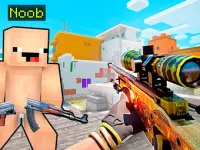



```html Desktop games operate on personal computers with precise input systems for calculated execution; they emphasize strategy and reflex timing above all else. These titles span genres from tactical shooters to puzzle-driven simulations requiring methodical planning. The category is defined by performance optimization and functional UI design to accommodate extended play sessions without fatigue. About desktop games Navigate complex environments efficiently by processing spatial data quickly; adapt to dynamic conditions or environmental hazards…Learn moreLatest update
Desktop games operate on personal computers with precise input systems for calculated execution; they emphasize strategy and reflex timing above all else. These titles span genres from tactical shooters to puzzle-driven simulations requiring methodical planning. The category is defined by performance optimization and functional UI design to accommodate extended play sessions without fatigue.
About desktop games
Navigate complex environments efficiently by processing spatial data quickly; adapt to dynamic conditions or environmental hazards without hesitation. Input responsiveness dictates success in precision-based desktop games where micro-adjustments distinguish average from optimal outcomes.
Gameplay Mechanics
Core mechanics revolve around input scaling and adaptive difficulty systems that adjust obstacle density based on player performance metrics. Many desktop games implement modular progression where unlockable elements refine but do not fundamentally alter the primary gameplay loop. Resource management is common in simulation-style desktop games requiring periodic inventory balancing. Multiplayer variants often introduce competitive or cooperative elements to extend replayability through varied player interactions.
Tips & Strategies
Position input devices to minimize unnecessary movement while maintaining consistent reaction times across all game phases. Prioritize vertical space management to reduce collision risks especially in high-speed action scenarios. Analyze failure patterns in desktop games to identify predictable obstacle placement and adjust movement trajectories accordingly.
desktop Games FAQs
Q: What controls are standard in desktop games? A: Keyboard and mouse inputs are most common. Q: What is the primary objective? A: Achieve measurable objectives through calculated actions. Q: Are desktop games optimized for mobile? A: Performance varies by hardware specifications. Q: What is the main mechanic? A: Precision timing and execution dominate gameplay.
```